A Buyer’s Guide to Congress Park Historic Homes
July 2, 2026
July 2, 2026
If you are drawn to tree-lined parkways, classic architecture, and homes with real character, buying in Congress Park or the East Seventh Avenue Historic District can feel like finding a rare piece of Denver history. It is also a purchase that asks a little more of you than buying a newer home. When you understand the difference between these two areas, the common condition issues in older homes, and Denver’s historic review rules, you can buy with more confidence. Let’s dive in.
One of the most important things to know is that Congress Park and the East Seventh Avenue Historic District are related, but they are not the same thing. Congress Park is a neighborhood bounded by York Street, Colfax Avenue, Colorado Boulevard, and Sixth Avenue. The East Seventh Avenue Historic District runs from Logan Street to Colorado Boulevard and from East Sixth to East Eighth Avenues.
That distinction matters because your buying experience may change depending on where the property sits. Congress Park includes older homes and historic subdivisions, while the East Seventh Avenue Historic District is a designated landmark district with a separate preservation review framework for certain exterior work.
If you are shopping broadly, you may see listings described as being in Congress Park when the property is actually within the historic district review area. That can affect future renovation plans, especially if you want to change windows, alter the roofline, add on, or make other exterior updates.
For many buyers, this is not a drawback. It is part of what helps preserve the streetscape, architectural detail, and long-term character that made the home appealing in the first place.
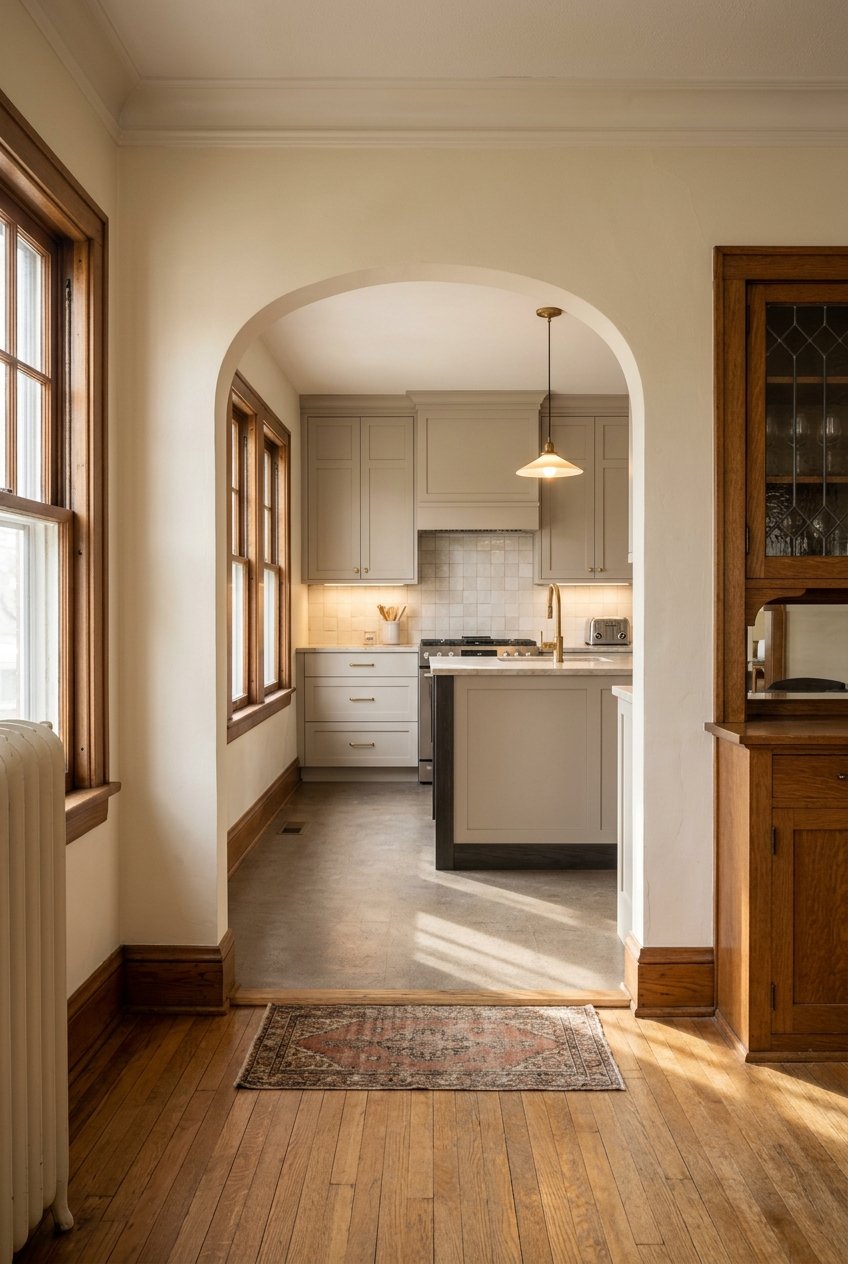
Congress Park offers a wide mix of older housing stock. You will commonly find Queen Anne and Victorian homes from the turn of the century, Craftsman Denver Squares, and 1920s bungalows. The neighborhood also includes duplexes, apartment buildings, and historic subdivisions that reflect early Denver growth.
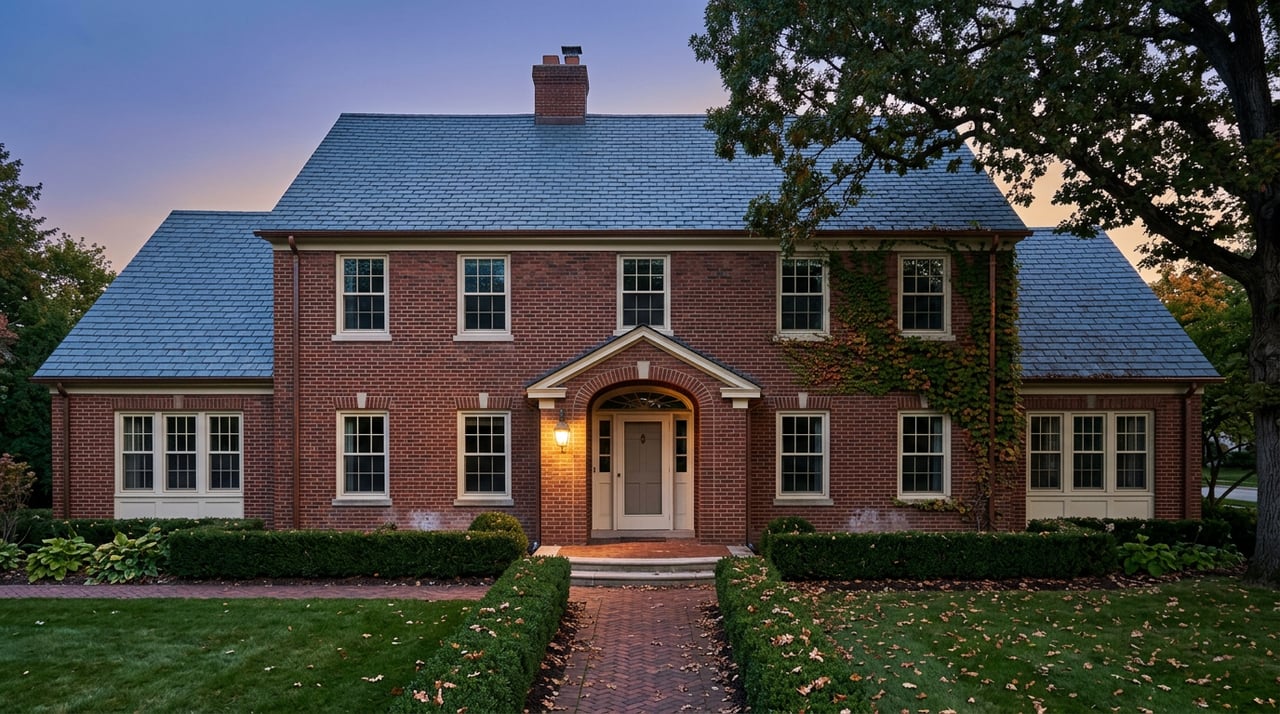
The East Seventh Avenue Historic District often feels more formal and more architecturally varied. Development there took place largely from the 1890s through 1930, with the district list assigning the original district a period of significance through 1943. You may see mansions, modest homes, duplexes, and terraces, along with styles such as Georgian Revival, French Mediterranean Revival, English Tudor, Neoclassical, Jacobean, and eclectic designs.
In the East Seventh Avenue Historic District, the landscape is part of the historic resource too. The district includes East Seventh Avenue Parkway, Cheesman Esplanade, and Williams Street Parkway, and it is Denver’s largest historic district even though it is only two blocks wide for most of its length.
For buyers, that means you are often purchasing more than square footage. You are also buying into a preserved streetscape, a specific architectural era, and a setting that can be difficult to replicate in newer construction.
Historic charm should never replace careful inspection. Because much of the housing stock in these areas predates 1943, you should expect a more detailed due diligence process than you might for a newer property.
A standard inspection is important, but with homes of this age, it helps to think beyond the basics. Your goal is to understand which issues are cosmetic, which are safety-related, and which could affect your renovation budget later.
Lead-based paint should be one of your first checkpoints. The EPA says 87% of homes built before 1940 have some lead-based paint, and federal law requires sellers and landlords to disclose known lead-based paint and hazards for most housing built before 1978.
In practical terms, if you are buying a historic home here, it is wise to treat lead as a realistic possibility unless testing or documentation shows otherwise. This matters even more if you plan to refinish surfaces, repair trim, or remodel rooms with original materials.
If you expect to update an older home, asbestos is another issue to evaluate early. According to the EPA, damaged asbestos-containing material should be repaired or removed by a trained and accredited asbestos professional.
That means work that disturbs old materials should not be approached like a routine DIY project. If your vision includes opening walls, replacing flooring, or changing finishes, testing before demolition can help you avoid delays and surprises.
Many older homes have less insulation than newer homes. The U.S. Department of Energy says a qualified home energy assessor can identify insulation and air-sealing gaps, and that homes should be properly air sealed before insulation is added.
For buyers, this often shows up as drafts, uneven room temperatures, or higher utility use. Low-impact improvements such as weatherstripping and caulk around doors and operable windows can improve comfort without changing the home’s character as dramatically as full replacement work.
If you want a practical place to start, focus on the items most likely to affect comfort, safety, and future renovation planning:
If a home is in a historic district, renovation planning should start before you close, not after. Denver’s Landmark Preservation Commission reviews exterior alterations, additions, new construction, signs, and non-vegetative site work for properties in historic districts or individual landmarks.
The city’s guidance says design review applies only to exterior changes tied to permits. It does not include interiors, exterior paint colors, or general maintenance.
This is good news for many buyers. In general, interiors are easier to modernize than facades, which means kitchen and bath updates may be more straightforward than exterior changes, as long as you still meet any separate code or permit requirements.
If your wish list includes a more open layout, updated finishes, or better day-to-day function, a historic home may still work well for modern living. The key is understanding where flexibility exists and where review is more likely.
Exterior work usually gets more attention. Roof permits and other quick permits involving exterior work in a historic district cannot be issued online without Landmark Preservation review. Those projects are routed through a Certificate of Appropriateness record in E-permits.
Larger projects like additions, pop-tops, and historic window replacement are more likely to receive commission review. If exterior transformation is central to your plan, that review timeline should be part of your buying decision.
One detail many buyers overlook is whether a property is listed as contributing or non-contributing within the district. Denver’s district list tracks that status, and contributing buildings have the least demolition flexibility.
Denver says demolition of contributing buildings in historic districts is highly discouraged. It also says demolition of accessory structures in a historic district requires Landmark approval, and CDPHE asbestos approval is required before a demolition permit can be issued.
If you are considering a major addition, a teardown of an old garage, or significant exterior rework, this status can shape what is realistic. It does not mean you cannot improve the property. It means your strategy should match the home’s historic role and the city’s preservation standards.
For buyers who love historic architecture, this can actually be reassuring. It helps protect the setting and design integrity that often support long-term appeal.
The best historic-home purchases usually come down to fit. You want the original features that make the property special, but you also want a home that supports the way you live now.
In these neighborhoods, selective updates often make the most sense. Congress Park includes examples of historic structures adapted into condos or multi-unit homes while preserving architectural integrity, and practical upgrades like insulation, air sealing, and weatherstripping can improve daily comfort without stripping away character.
Before you make an offer, it helps to ask:
If the answers line up, a historic home in Congress Park or along East Seventh Avenue can offer a living experience that feels distinctive, enduring, and hard to duplicate elsewhere in Denver.
If you want experienced guidance on buying a character home in Denver, Don Bobeda brings a thoughtful, local perspective shaped by decades of work across historic neighborhoods and the broader metro market.
Stay up to date on the latest real estate trends.
We pride ourselves in providing personalized solutions that bring our clients closer to their dream properties and enhance their long-term wealth.