Denver Country Club Homes Lifestyle, Architecture & Living
June 25, 2026
June 25, 2026
If you are drawn to classic architecture and a quieter in-city setting, Denver’s Country Club neighborhood stands out right away. This is the kind of place where the streetscape matters as much as the houses, and where history still shapes how the neighborhood looks and feels today. If you are considering buying or selling here, it helps to understand both the lifestyle and the rules that come with a landmark district. Let’s dive in.
Country Club is one of Denver’s most established historic neighborhoods, with roots in the early 1900s. The area developed around land near Cherry Creek and has long been tied to the identity of the Denver Country Club, which sits south of the neighborhood across First Avenue.
The neighborhood is also officially recognized for its historic significance. It was listed in the National Register in 1979 and later designated a Denver Landmark District in 1990. The neighborhood association describes about 380 residences, while the federal historic nomination places the district at about 64 acres.
That history still shows up in the neighborhood’s character today. Rather than feeling dense or highly commercial, Country Club reads as residential, formal, and carefully composed.
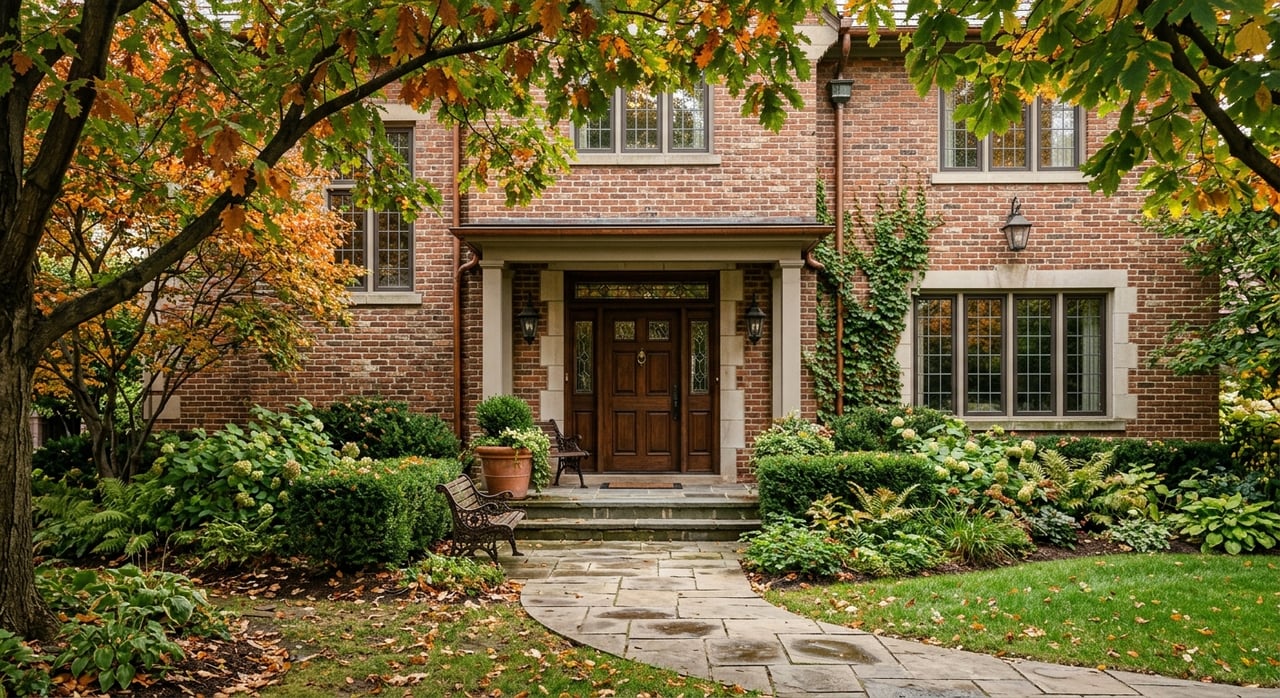
One of the first things you notice in Country Club is space. Broad front and side setbacks, open front yards, landscaped parkways, and tree lawns create a sense of quiet that feels distinct from many central Denver neighborhoods.
The neighborhood is also more varied in layout than many people expect. According to the design guidelines, Country Club is organized into four early-20th-century subdistricts: Park Club Place, Country Club Place, Country Club Annex, and Park Lane Square, later called New Country Club.
The older sections are known for detached sidewalks, raised front yards, and gateways. New Country Club has a more curving layout and historically did not include sidewalks in the same way. That variety gives the neighborhood a layered feel rather than a one-note appearance.
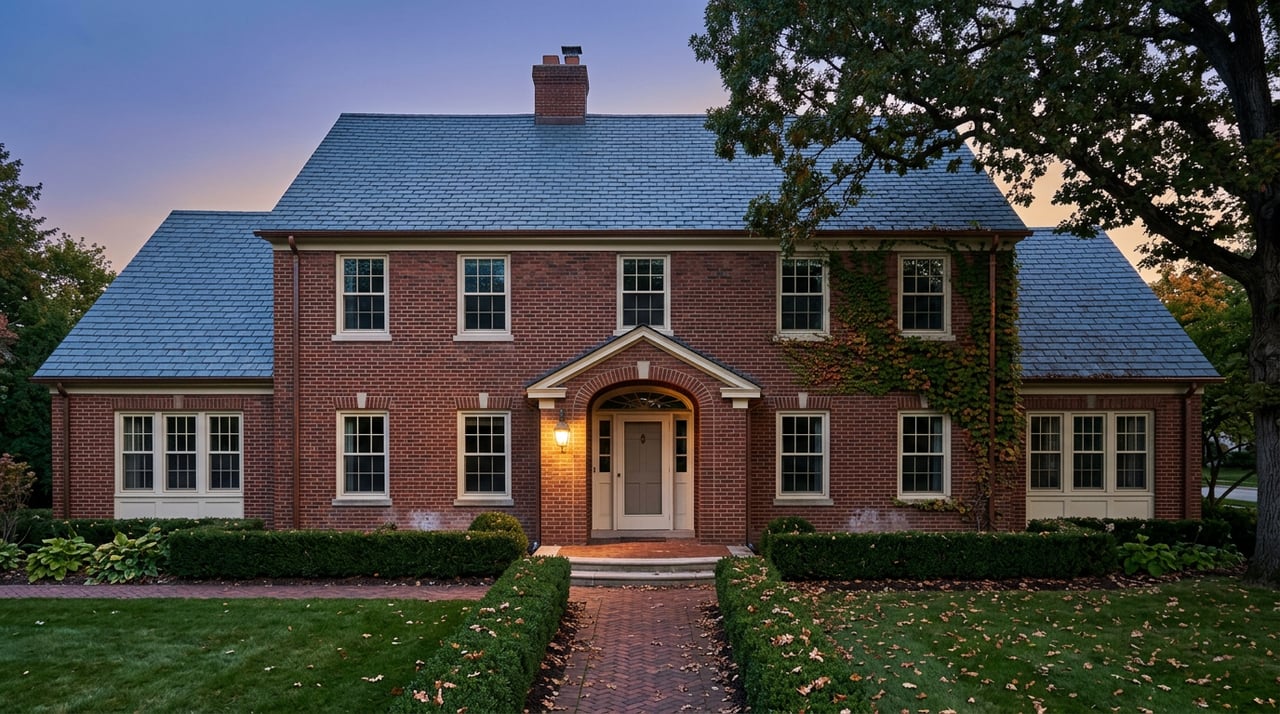
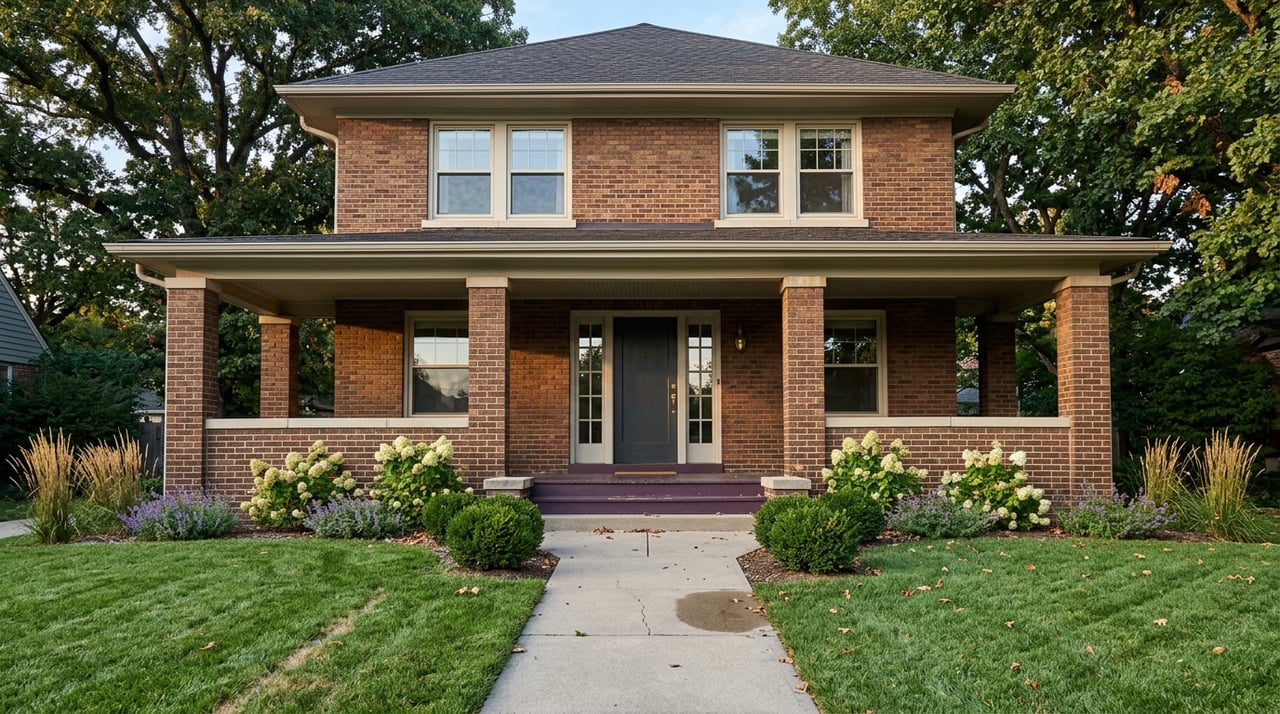
If you love homes with presence, Country Club delivers. The housing stock is dominated by large Denver Square, also called Four-Square, homes with elaborate revival detailing, along with a mix of eclectic revival styles.
The most common styles include:
Most historic homes are about 1.5 to 2 stories and sit on large lots. The district is also associated with prominent Denver architects, including Fisher and Fisher, Benedict, Biscoe, Gove and Walsh, and Varian and Sterner.
What makes Country Club especially appealing is that it is not overly uniform. You get a cohesive historic setting, but also enough architectural variety to make each block feel interesting.
In Country Club, architecture is not just visual. It affects how you experience the neighborhood day to day. Larger lots, open lawns, and broad setbacks create breathing room, while mature landscaping softens the streetscape.
That design gives the area a discreet luxury feel. It is not busy or flashy. Instead, the neighborhood feels calm, established, and intentionally understated.
For many buyers, that balance is the appeal. You get a central Denver location with a more spacious residential setting than you might expect this close to major retail and dining areas.
Country Club’s lifestyle is shaped partly by what is nearby and partly by what is not. Inside the neighborhood, the atmosphere is low-intensity and residential. Just beyond it, you are close to one of Denver’s best-known shopping and dining districts.
Cherry Creek North, next to the broader area, is a 16-block retail and lifestyle hub with more than 75 boutiques, 50 restaurants and bars, 30 spas and fitness centers, and more than 175 small businesses. The district was established in 1989 and sits about three miles from downtown Denver.
The Cherry Creek Trail also runs adjacent to the Denver Country Club between Downing and University. That adds another layer of convenience for people who value outdoor access near home.
This contrast is a big part of Country Club’s appeal. You can enjoy a quieter residential setting while staying close to dining, shopping, and everyday services.
The Denver Country Club is a major part of the area’s identity, even though it is south of the neighborhood. The club dates back to 1887 and began with horse racing before expanding into tennis, polo, golf, and other activities over time.
That long history helps explain why the surrounding neighborhood has been associated with social prestige and a more residential pattern of development. It is not a commercial corridor first. It is a neighborhood shaped by legacy, landscape, and tradition.
For buyers, that often translates into a strong sense of place. For sellers, it supports the kind of neighborhood story that helps a property stand out when marketing a historic home.
Buying in Country Club often means buying into a historic district with real preservation standards. That can be a benefit if you value architectural continuity and neighborhood character, but it also comes with practical considerations.
Denver Landmark Preservation reviews exterior alterations, additions, new construction, signs, and non-vegetative site work in historic districts. City permit guidance also states that exterior work in a historic district generally needs a certificate of appropriateness tied to Landmark Preservation review.
In simple terms, you should expect more review if you want to change the exterior of a home. Careful restoration and historically compatible updates are usually a better fit here than aggressive exterior remodels.
If you are comparing Country Club with non-historic neighborhoods, remodeling flexibility may be one of the biggest differences. In Country Club, timing, design, and approval processes can all affect your plans.
That does not mean updates are off the table. It means you should approach them strategically. Understanding what is likely to align with the district’s character can save time, reduce surprises, and help protect long-term value.
For design-aware buyers, this is often part of the appeal. The same review process that adds complexity can also help preserve the neighborhood setting that drew you there in the first place.
If you are selling in Country Club, buyers are usually looking for more than square footage alone. They are often paying attention to architecture, lot setting, streetscape, and how a home fits within the district.
That means strong positioning matters. Details like original architectural character, lot presence, restoration quality, and proximity to Cherry Creek amenities can all help frame value in a meaningful way.
This is also a neighborhood where context counts. A thoughtful marketing strategy should explain not just the home itself, but also the lifestyle that comes with living in a landmark district near Cherry Creek.
Country Club tends to appeal to buyers who want character, space, and a more restrained kind of luxury. If you value historic architecture, established landscaping, and a residential feel close to central Denver amenities, it can be a compelling option.
It may be especially appealing if you appreciate older homes and understand the tradeoffs that can come with them. Exterior changes may require added review, but the payoff is a neighborhood with a strong visual identity and lasting appeal.
For sellers, Country Club is a place where preparation, pricing strategy, and clear storytelling can make a real difference. Buyers here are often choosing a neighborhood as much as a house.
If you are thinking about buying or selling in Country Club, working with an advisor who understands historic homes, neighborhood positioning, and the Denver market can help you move with more confidence. To talk through your goals, connect with Don Bobeda.
Stay up to date on the latest real estate trends.

We pride ourselves in providing personalized solutions that bring our clients closer to their dream properties and enhance their long-term wealth.