Your Lone Tree Relocation Guide for Housing and Commutes
June 18, 2026
June 18, 2026
If you are thinking about moving to Lone Tree, one question usually rises to the top fast: what will daily life actually feel like once the boxes are unpacked? That is a smart question, especially in a city that blends established neighborhoods, new development, major retail, and strong transit access in one compact footprint. In this guide, you will get a practical look at Lone Tree housing, commute options, and everyday routines so you can decide whether the city fits your goals. Let’s dive in.
Lone Tree is a relatively small city in northern Douglas County, but it functions as more than a typical suburb. The city reports about 15,000 residents, more than 3,000 businesses, and access to major highways, light rail, and on-demand shuttle service.
That combination gives Lone Tree a different feel than many south-metro communities. You get a residential base, but you also get a regional business, shopping, and medical hub that can make day-to-day life more convenient.
For relocation buyers, it helps to think of Lone Tree as offering two broad experiences. The first is the west side and other more established areas. The second is the east side, where much of the newer growth is taking shape.
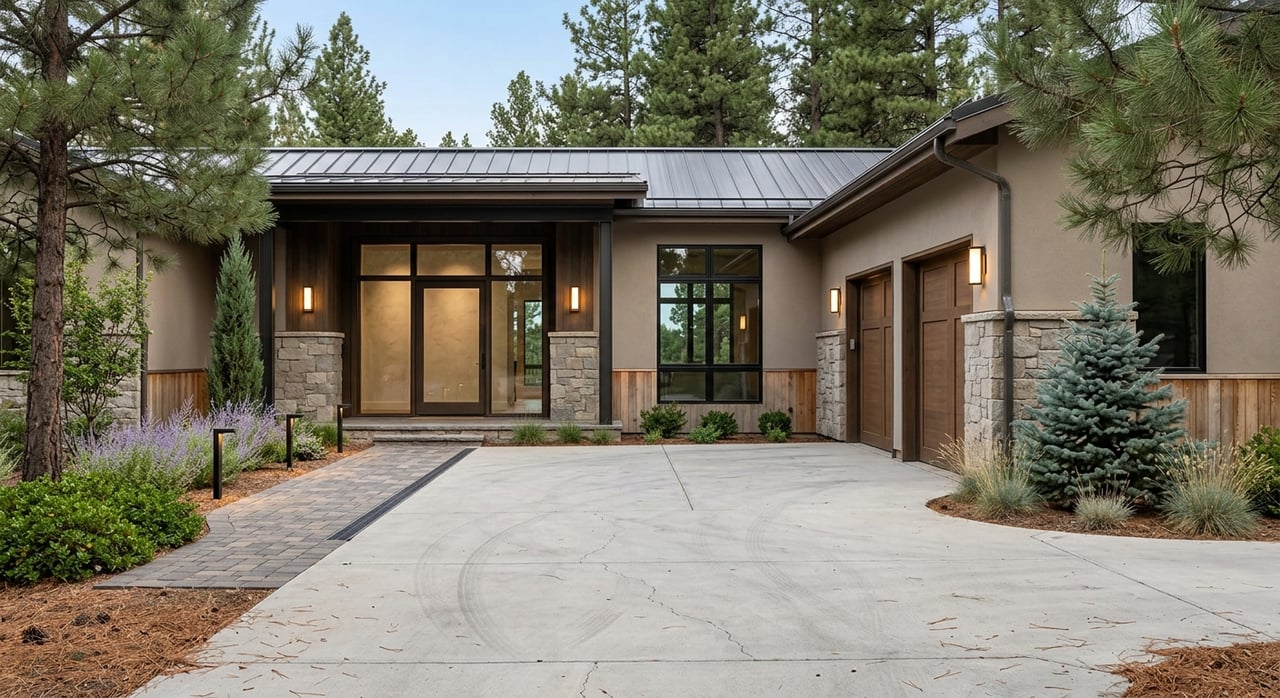
On the west side, RidgeGate describes the community as largely complete. This part of Lone Tree includes a mix of luxury rental apartments, townhomes, eco-smart single-family homes, and larger estate-style homes.
The city’s resident pages reference neighborhoods such as Heritage Hills, Carriage Club, Bluffmont, Montecito, Ridgeview, Terra Ridge, Sky Ridge, The Charter, The Vista, Fairways, Masters Park, and Lyric. For many buyers, this side of the city feels more established, with a more built-out street pattern and a clearer sense of what the area looks like today.
On the east side, RidgeGate says development is still in earlier stages. This is where you will see areas such as the Couplet District, parts of Lyric at RidgeGate, and the future Lone Tree City Center.
The city describes City Center as a walkable downtown area between Lincoln and RidgeGate Parkway. Over time, that means more mixed-use living, along with retail, dining, office space, parks, and plazas in a more urban-style setting.
Lone Tree is a competitive housing market, according to Redfin. Spring 2026 snapshots place the overall median sale price in the high $800,000s, roughly between $839,000 and $872,000, with homes generally selling in about 22 to 23 days.
That headline number is useful, but it does not tell the whole story. The actual entry point can vary quite a bit depending on property type and where in the city you focus.
Current Redfin pages show condos with a median listing price around $440,000. Townhomes are listed at a median around $613,000.
For relocation buyers who want lower-maintenance living or a more manageable entry price, attached housing may open the door to Lone Tree without requiring a detached-home budget. That can be especially helpful if you are prioritizing location, commute access, or a lock-and-leave lifestyle.
Neighborhood snapshots show a wider range. Some areas are around the mid-to-high $600,000s, including examples like Lyric at roughly $639,000 and Eastridge at about $692,000. Other pockets, such as RidgeGate West and Rampart Range, are around $1.1 million.
Taken together, those current market snapshots suggest a practical relocation range from the mid $400,000s for some attached homes to well into seven figures for certain detached-home areas. If you are moving from another metro, that range makes it especially important to narrow your search by lifestyle first, then by price.
One of Lone Tree’s biggest advantages is connectivity. The city says it is served by I-25, C-470, and E-470, which gives you multiple ways to move around the south metro and beyond.
That road access matters, but Lone Tree also stands out for its transit options. If you are trying to balance driving with rail or shuttle service, the city gives you more flexibility than many suburban locations.
RTD’s E Line serves Lone Tree with stops that include Lincoln, Sky Ridge, Lone Tree City Center, and RidgeGate Parkway. The line runs north to Union Station, which can make rail a practical option for some downtown trips.
RTD also notes that Lincoln and RidgeGate Parkway are park-and-ride stations with paid parking. Sky Ridge and Lone Tree City Center do not have RTD parking, so station choice can affect how you plan your commute.
RTD operates Lone Tree FlexRide for areas west of County Line Station and Lincoln Station as part of the DTC FlexRide area. For some households, that can support first-mile and last-mile connections around Lone Tree and nearby employment areas.
In practical terms, Lone Tree can work well if your routine is not strictly car-only or transit-only. You may be able to drive to a station, use rail for part of your trip, or combine local shuttle service with office access in nearby business districts.
Relocating is not just about the house. It is also about how easily you can run errands, meet friends, stay active, and settle into a routine that feels manageable.
In Lone Tree, daily life tends to be shaped by a strong mix of shopping, recreation, healthcare access, and outdoor amenities.
Park Meadows is the city’s best-known retail destination. Its official site says it is Colorado’s biggest shopping mall, with 185 stores and restaurants.
Beyond the mall, RidgeGate says retail development continues to grow through shopping and dining districts, a large medical district, and a growing corporate presence. RidgeGate also notes that residents can already handle many day-to-day shopping and dining needs within RidgeGate Commons and Lincoln Commons.
If you are drawn to newer development, Lone Tree Village is a notable project to track. RidgeGate says this King Soopers-anchored open-air center in the Couplet District is planned with grocery, shops, dining, and service uses targeted to open in 2027.
That matters because it gives east-side growth areas more everyday infrastructure over time. For buyers who like the idea of getting into a newer area early, planned retail can be a major quality-of-life factor.
Lone Tree offers a strong mix of indoor and outdoor amenities. The city highlights places such as Cook Creek Pool, the Lone Tree Hub, the Douglas County Library branch, the Lone Tree Recreation Center, the Tennis Center, and the Lone Tree Golf Club & Hotel.
The city also points to the Lone Tree Arts Center as part of its recreation and lifestyle offering. That gives residents a broader range of options than just parks and trails.
The trail network is a major part of everyday life in Lone Tree. The city highlights Willow Creek Trail, the East/West Regional Trail, and Bluffs Regional Park and Trail.
Bluffs includes a 2.7-mile loop, while the East/West Regional Trail runs 27 miles one way with connectors in and around Lone Tree. The city also lists Prairie Sky Park and Sweetwater Park as community parks, which adds more neighborhood-level outdoor access.
High Note Park is another project worth knowing about if outdoor space matters to you. The city says it will become the largest park in Lone Tree when complete, with phase one expected to open in 2027.
Planned features include fields, playgrounds, trail connections, gathering spaces, a dog park, a beer garden, and food-truck space. For many relocating buyers, that is the kind of long-term community investment that can shape how an area feels over time.
Lone Tree often appeals to buyers who want convenience without giving up housing variety. You can find attached homes at lower price points than detached options, established areas with a more settled feel, and newer mixed-use growth tied to transit and future retail.
It can also be a strong fit if commute flexibility matters to you. Access to highways, light rail, and local shuttle service gives you multiple ways to approach work and daily errands.
The biggest decision for many relocation buyers is not whether Lone Tree offers enough. It is which version of Lone Tree best matches the way you want to live: established and more traditional, or newer and still evolving.
If you are planning a move to Lone Tree and want help comparing neighborhoods, commute patterns, or housing options, Don Bobeda offers thoughtful relocation guidance across Lone Tree and the greater Denver Metro.
Stay up to date on the latest real estate trends.
We pride ourselves in providing personalized solutions that bring our clients closer to their dream properties and enhance their long-term wealth.