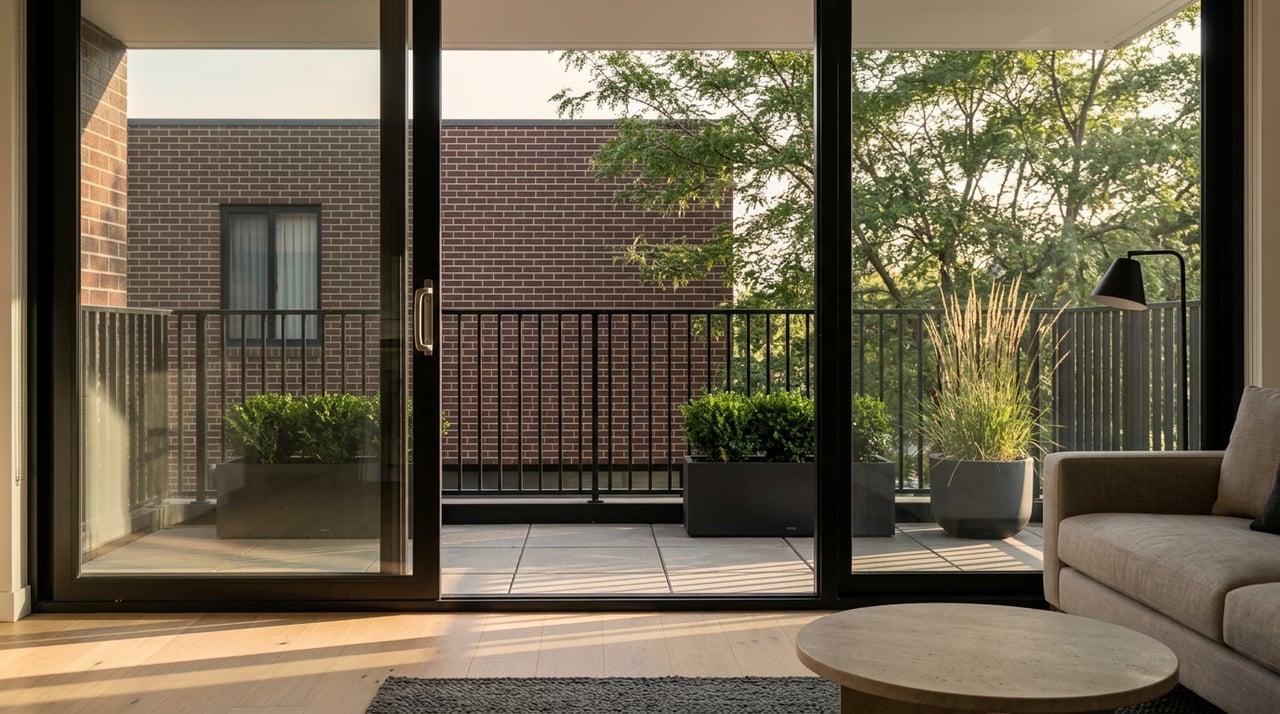
Cherry Creek Condo and Townhome Buying Explained
June 4, 2026
June 4, 2026
If you are thinking about buying in Cherry Creek, one of the first surprises is this: a townhome and a condo can look very similar from the street but work very differently once you own it. That can affect your monthly costs, your maintenance responsibilities, your insurance questions, and even how you use the property. If you want to buy with confidence, it helps to understand what you are actually purchasing before you write an offer. Let’s dive in.
Cherry Creek is not a typical attached-home market made up of one large subdivision with repeating floorplans. In Cherry Creek North, residences are concentrated in and around mixed-use blocks, with homes near shopping, dining, office space, and other street-level activity.
That setting shapes the buying experience. Cherry Creek North is a 16-block district bounded by 1st to 3rd Avenues and University to Steele Streets, and it is described by the Cherry Creek North BID as a compact, walkable urban district with a walk score of 95. If you are buying here, you are often choosing a lifestyle tied closely to walkability, mixed-use living, and building-specific features.
Cherry Creek North and Cherry Creek West also sit within a special Denver design-review area. That matters because new construction, exterior renovations, site changes, signage, and certain outdoor-use changes in the district are subject to design review. For buyers, this helps explain why building character, exterior updates, and future development may involve more process than in a typical neighborhood.
The biggest mistake buyers make is assuming the exterior style tells them the ownership type. In Cherry Creek, a rowhouse-style property may look like a classic townhome but still be legally structured as a condominium or another type of common-interest community.
Under Colorado law, a condominium usually means you own an individual air-space unit plus an undivided interest in the common elements. Those common elements can include shared areas, and some features, like balconies, patios, doors, or windows, may be limited common elements assigned to one unit.
That legal structure matters more than curb appeal. A Cherry Creek home that feels like a private townhouse may still come with condo-style HOA obligations, shared maintenance arrangements, and building insurance rules. Another attached property may be fee-simple with a lighter shared structure.
In practical terms, a condo often means your ownership starts inside the defined unit boundaries, while the association manages and insures many shared parts of the property. In a Cherry Creek building, that may include hallways, elevators, garages, exterior walls, roofs, or other common systems.
This setup can be appealing if you want less exterior upkeep. It can also mean you need to pay close attention to HOA finances, reserve planning, and rules because major building systems are shared.
A townhome may offer a more house-like feel, often with direct entry, multiple levels, and more separation from neighbors. But in Cherry Creek, you should not assume that means simpler ownership.
The recorded declaration and plat control whether the property is a condominium, a planned community, or another form of ownership. That is why two homes that look nearly identical can come with very different responsibilities for roofs, exterior walls, insurance, parking, and dues.
Cherry Creek North and Cherry Creek West are defined by Denver’s design standards as a mixed-use, active, pedestrian shopping district. That means many attached homes are part of buildings or blocks designed to support retail vitality, street activity, and an indoor-outdoor urban experience.
For you as a buyer, mixed-use living can be a major advantage. It often means easy access to restaurants, boutiques, services, and a walkable daily routine. It can also mean you should ask more detailed questions about loading areas, deliveries, trash handling, commercial hours, and how residential spaces are separated from retail or office activity.
Cherry Creek attached homes tend to attract buyers who value location, convenience, and design. The current residences directory for Cherry Creek North includes names like 250 Columbine, Clayton Lane Cherry Creek, Laurel Cherry Creek, NorthCreek Residential, The Residences at Fillmore Plaza, and St Paul Collection, which reflects how much of the housing supply is tied to boutique or mixed-use projects rather than large tract development.
Finishes also tend to skew upscale. Research examples from the area highlight features like private outdoor space, secure parking, walk-out balconies, walk-in closets, induction ranges, cabinet-covered appliances, spa-style primary baths, and wide-plank hardwood flooring.
Luxury finishes are important, but they are not the whole picture. In attached living, the value of a home also depends on building operations, reserve planning, maintenance quality, and the rules that shape daily use.
A beautiful unit in a poorly managed association can create future costs and frustration. A well-run building with solid reserves and clear policies may support stronger long-term ownership confidence.
In Cherry Creek, HOA review is not just a formality. Colorado’s Division of Real Estate advises buyers to review the governing and financial documents they are entitled to under the contract, and to understand the association’s management, insurance, maintenance responsibilities, and possible special assessment exposure before committing.
That advice matters even more in attached housing. Shared roofs, façades, elevators, garages, and mechanical systems can create major future expenses if reserves are weak or deferred maintenance is building up.
Depending on the property, dues may fund:
You should also ask what the dues do not cover. That gap is often where buyers find surprise costs.
Under Colorado’s common-interest framework, associations are required to maintain property insurance on common elements and commercial general liability insurance tied to those common elements. That does not mean every part of your ownership is fully covered by the HOA’s policy.
You need to understand where the association’s coverage stops and where your own policy needs to begin. In attached housing, that line can be more complicated than many buyers expect.
HOA dues are not just another utility-style bill. Colorado allows associations to place liens for delinquent assessments, which makes HOA obligations a real title and carrying-cost issue.
That is one reason due diligence matters so much before closing. You want a clear picture of both your monthly payment and the financial health of the community behind it.
One of the most important Cherry Creek questions is not what the lobby looks like today. It is whether the building has planned realistically for tomorrow.
For brand-new planned communities and condominiums, Colorado enacted HB26-1099 in 2026, requiring the declarant to obtain and pay for a reserve study before turnover to the association. In a market like Cherry Creek, where buildings may include elevators, parking systems, complex exteriors, and higher-end amenities, reserve planning is especially important.
You should still ask direct questions, including:
Some buyers want flexibility for future leasing, part-time use, or an occasional rental strategy. In Cherry Creek, that is an area where assumptions can cause problems.
Denver regulates short-term rentals closely. Short-term rentals must be licensed, the rental must be the host’s primary residence, advertisements must display the license number, and hosts must follow safety, tax, zoning, and insurance rules.
On top of that, HOA rules can be stricter than city rules. Before you write an offer, ask about minimum lease terms, rental caps, short-term rental restrictions, pet policies, renovation approvals, and parking assignments. If flexibility matters to you, confirm it in the documents, not just in conversation.
In Cherry Creek, the best offer is often the one written after the right documents have been reviewed. Before moving forward, make sure you can answer these questions clearly.
Ask for the declaration, plat, and title commitment. These documents help confirm whether the property is a condo, a planned-community townhome, or a fee-simple rowhome.
Review the budget and governing documents so you understand what dues pay for, what maintenance is shared, and what remains your responsibility.
Read recent meeting minutes and ask about special assessments, capital projects, litigation, and deferred maintenance. This is especially important in buildings with elevators, roofs, garages, façades, or large shared systems.
Ask whether the association has a reserve study, how reserves are funded, and whether current balances appear aligned with future repair needs.
Confirm lease terms, occupancy rules, short-term rental restrictions, pet rules, and any approval requirements that could affect your plans.
If the residence sits above or near commercial space, ask about lobby separation, deliveries, loading, trash handling, and commercial operating patterns.
Buying an attached home in Cherry Creek is about more than choosing between a condo and a townhome. You are also choosing an ownership structure, a set of HOA rules, a maintenance model, and in many cases a mixed-use building environment that can shape your costs and lifestyle.
That is why careful review matters here. When you understand the declaration, budget, insurance setup, meeting minutes, rental policy, and reserve plan before you write an offer, you put yourself in a much stronger position to buy with clarity.
If you are weighing condo, townhome, or mixed-use options in Cherry Creek, working with an advisor who understands both Denver urban product and the details behind attached-home ownership can make the process much smoother. If you want thoughtful guidance as you compare properties, connect with Don Bobeda.
Stay up to date on the latest real estate trends.

We pride ourselves in providing personalized solutions that bring our clients closer to their dream properties and enhance their long-term wealth.